By Amy Gale Maloney
July 1, 2025
Making Hunger History Together with Second Harvest Heartland
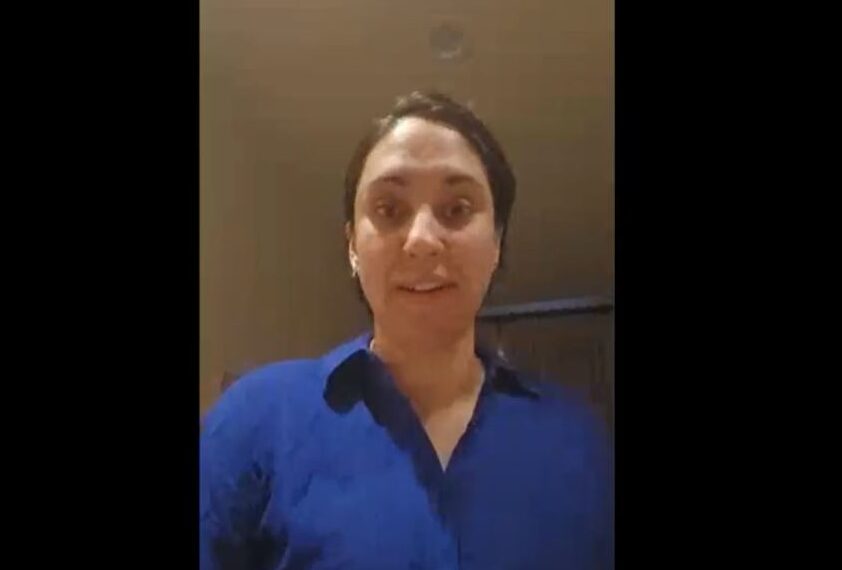
When school lets out for summer, many kids miss more than just their classrooms—they lose access to the consistent meals they rely on throughout the year. That’s why CROSS Services recently sat down with Caleigh Gumbiner (they/them), Public Affairs Advocacy Manager at Second Harvest Heartland, for a timely and heartfelt Chat with Chad conversation about summer hunger, legislative changes, and the critical role of food shelves in our communities.
“Food is the first thing to go.”
As families across Minnesota navigate inflation, childcare challenges, and disappearing safety nets, the pressure on local food shelves continues to rise.
“Grocery prices are rising and wages aren’t,” Caleigh shared. “The cost of living is going up and people’s wages aren’t keeping up… there isn’t necessarily the same money as there was during some of our COVID support. When those supports dropped off in 2022, we saw a huge increase—and a consistent increase—in food shelf usage.”
At CROSS Services, we’ve seen this firsthand. Visits are up 29% over the past year, and many families tell us they’re turning to us for the first time, unsure of where else to go.
“Food is usually the first thing to go in a family’s budget,” Caleigh explained. “It’s the most fungible. You can cut back on healthier foods to buy cheaper ones… just to keep your rent and lights on.”
Why Summer is a Critical Time to Give

With school meals unavailable and childcare costs straining budgets, summer is one of the most challenging times for families living on the edge.
“There’s not a lot of super accessible, free summer camps. So you’ve got to come up with childcare, and that’s another financial pressure. That’s one of the reasons food becomes that pressure release valve,” Caleigh noted.
At CROSS Services, we work to fill those gaps with culturally appropriate groceries, fresh produce, and community connections. Thanks to our local growers, churches, and partners, we help kids and parents feel some sense of normalcy—one nourishing meal at a time.
At CROSS Services, we work to fill those gaps with culturally appropriate groceries, fresh produce, and community connections. Thanks to our local growers, churches, and partners, we help kids and parents feel some sense of normalcy—one nourishing meal at a time.
“It’s about connecting the dots,” Caleigh said. “Getting people to that produce and getting the produce to the people. CROSS Services is where the rubber meets the road.”
What’s Happening at the Capitol

During this year’s Minnesota legislative session, Second Harvest Heartland and its partners, including CROSS Services, advocated for key funding to help food banks and food shelves meet growing demand.
“We did see an increase to the Minnesota Food Shelf Program—up to $9.7 million—and $5 million one-time funding for food banks and Indigenous food sovereignty programs,” Caleigh shared.
Still, concerns remain. One critical cut was to the state’s Farm to Food Shelf program, which helped food banks purchase surplus produce and protein from local farmers at lower costs.
“Instead of getting excess produce at a discounted rate, we’ll now be paying closer to market rate—which could be a financial strain,” Caleigh explained. “We’re going to do everything we can to remain good partners to our consistent agricultural partners—it just makes the math a little bit harder.”
How SNAP Cuts Will Impact Our Community
SNAP—formerly known as food stamps—remains one of the most powerful tools in the fight against hunger. But looming cuts to this program could have a ripple effect across every food shelf in Minnesota, including CROSS Services.
“SNAP is the Supplemental Nutrition Assistance Program,” Caleigh explained. “It’s meant to supplement your grocery budget if you’re not making enough or something happens. It comes in the form of an EBT card that works just like a debit card.”
How much a household receives through SNAP is determined by several factors, including income level, household size, and monthly expenses. Some people may receive only the minimum monthly benefit, while others qualify for larger amounts to help meet their nutritional needs.
“You’re allotted a certain amount per month depending on your qualifications—whether that’s income, number of people in your household… Our care center can talk you through exactly what those numbers are because they’re the technical experts,” Caleigh shared.
Navigating the SNAP application process can be challenging, especially for those unfamiliar with government forms or systems. That’s why both Second Harvest Heartland and CROSS Services are committed to helping families access this vital resource.
“We have a whole team of SNAP outreach and application specialists,” Caleigh said. “They’re not just experts in the technical process—they’re people who believe that everyone deserves food and who want to help.”
Here at CROSS Services, we’re proud to offer appointments with an on-site representative from Hennepin County who is available weekly to assist individuals and families through the SNAP application process. Whether it’s helping you gather the right documentation, answer income questions, or understand your benefits, we’re here to walk alongside you every step of the way.
SNAP can be used at grocery stores, some convenience stores, and even at farmers markets through programs like Market Bucks, which provide matching dollars to help families stretch their benefits further—though some of those enhancements are also at risk of being phased out due to federal funding changes.
“Right now, we’re seeing major attacks on SNAP and on Medicaid,” Caleigh said. “For every meal a food bank provides, SNAP provides nine. If we see, for example, a 30% cut to SNAP, we’re going to see much more than a 30% increase in need at the food shelf and food bank level.”
What Makes CROSS Services and Second Harvest Heartland Stronger Together
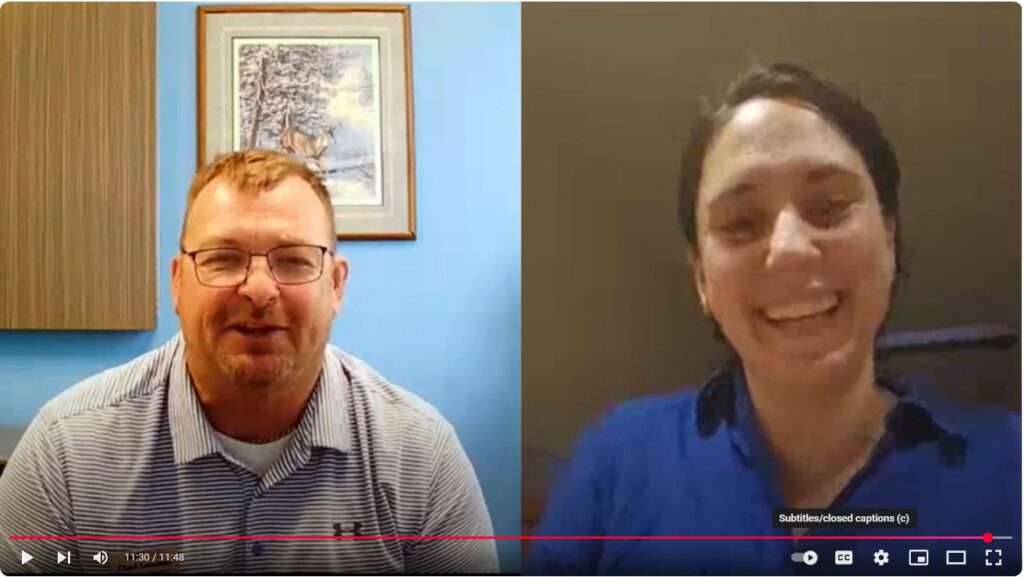
When asked about the power of partnership between CROSS Services and Second Harvest Heartland, Caleigh didn’t hesitate:
“Local food shelves like CROSS Services are where the rubber meets the road. That’s where people are actually getting the food and services they need,” they said. “We need each other. I’m just really grateful to have a partner with so much get-up-and-go.”
“CROSS Services also provides a space for community,” Caleigh added. “It’s not just what you give—it’s what people receive when they come together. Whether it’s a volunteer, donor, or someone coming for food, everyone walks away with something.”
Watch, Share, and Open Your Heart
This Chat with Chad conversation with Caleigh Gumbiner is just one of many important conversations we’re having with changemakers in our community.
This July, you can turn compassion into action by supporting our Open Your Heart Summer Challenge. CROSS Services is working to raise $100,000 to meet rising summer demand. Every donation unlocks matching funds through our partnership with Open Your Heart to the Hungry and Homeless.
Your support keeps families fed, shelves stocked, and hope alive in our community. Together with partners like Second Harvest Heartland, Open Your Heart to the Hungry and Homeless , and community members like you—we can make hunger history.
- Donate today
- Volunteer your time or talents
- Encourage a neighbor to reach out for support
For a person facing food security, Caleigh shares:
“Starting is the hardest part. But the reason these services exist is because people believe you deserve a stable and healthy life.” If you find you need a little help, “Come on in. We’re here for you.”